Strategic Systems
Proposal by Independent Social Movement ResidentiBeltin – 03/03/2015-2020 © (Digital & Published Rights)
Strategic Systems - against flooding
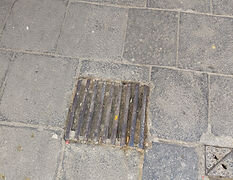
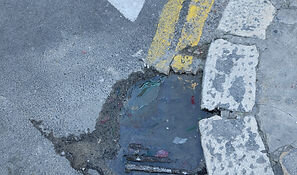
Seasonal/constant maintenance of roads, pavements and drains. Pavements with anti-flooding systems that channel rainwater away from pedestrian pathways. These have unfortunately been abandoned by the Council and the relevant Departments.
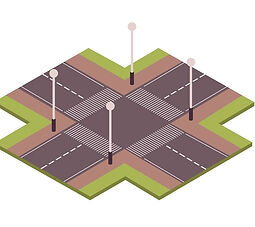
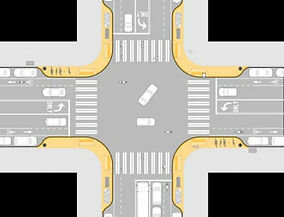
Strategic Systems - square pedestrian crossings
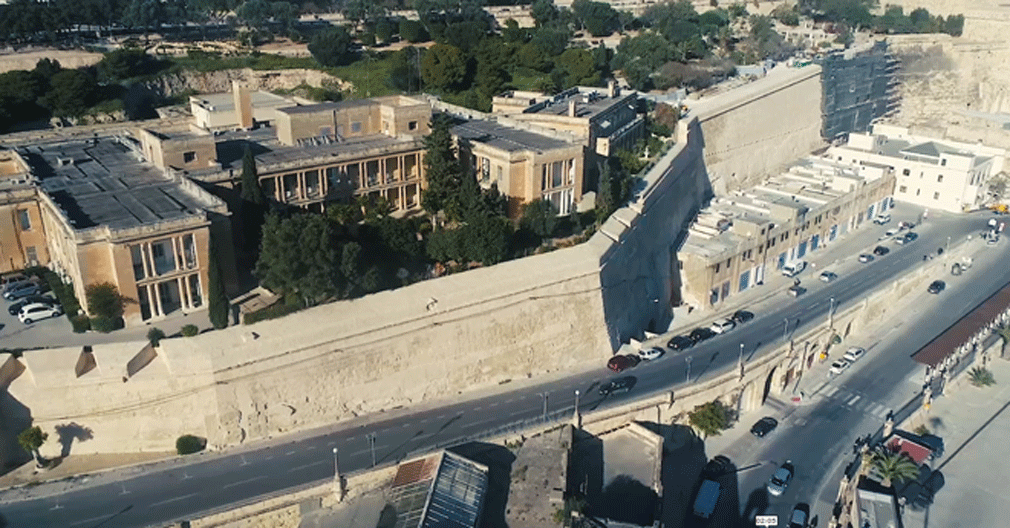
Valletta is principally a pedestrian zone, but certain areas are dangerous for the elderly, children, or persons with disabilities, especially when they need to cross the road. The primary problem is the ring road around Valletta that they had to cross. This is a very dangerous road due to the lack of access for pedestrians.
By implementing multi-zebra crossings in strategic zones, we can offer a cheap, cost-effective way to ensure that crossing roads like these is safe for everyone. They can be placed in zones such as near schools, churches, or areas where there are road junctions.
Strategic Systems - residential paving
A Master Plan spread over five years in residential zones, for pavements designed for better and safer passage for the elderly and individuals with disabilities, using a non-slip concept that also beautifies and strengthens the identity reflecting the Baroque style of the Capital City. The limestone paving shall be respected. We will work to find out where they disappeared - both the antique paving stones that were removed from Valletta and every other historical, religious or antique object. This Master Plan guarantees that every zone and every resident is included.
Strategic Systems - Collaboration with Housing and Lands
-
Pressure on the State to increase the number of residents after years during which, regrettably, many Valletta residents ended up evicted or disheartened and had to leave their city.
-
We urge that abandoned or ownerless property falls under Government control through a legal notice, for Social Housing purposes.
-
The Council can compile an updated inventory of abandoned buildings and present it to the Government so that the necessary amendments are made to accommodate:
a) investments in studio apartments for young people or vulnerable persons who find it difficult to rent or buy in society.
b) elderly people living in houses with many floors or many stairs who wish for an alternative. This way, the larger properties can go to those who wish to expand their family.
c) residents find it easier to access a database for swaps through Housing, and if needed the Council acts as mediator for decisions and communication between the two applicants.
d) a plan is devised so that Maltese citizens who wish to open a business are given a scheme of relatively low rents in these abandoned buildings.
-
Large buildings can be used as an alternative for market stallholders (tal-monti) so they do not lose their livelihood during the winter season.
-
As part of improving quality of life and for social awareness, it is proposed that the Council welcomes all collective proposals to be of great benefit to residents/the community, so that we truly shape a Council that listens to and validates its residents.
-
The Council should officially maintain a register of workers where a resident can easily find workers or contractors providing home-related services.
Strategic Systems - services
We urge the State to re-establish all departments back in Valletta. The departments were in properties belonging to the public, without rents and without third parties whose involvement increased national expenditure. This is also being said so that Valletta does not remain the only capital city without all these departments.
Scooters for the elderly should be brought back for the service of elderly Valletta residents. As feedback, many elderly residents told us they could not make use of them due to lack of accessibility in pedestrian zones with excessive clutter and occupation by the private sector, and due to lack of maintenance of roads and pavements which made it difficult to operate the vehicle. These will be usable again once we implement the Commercial and Accessibility Master Plan.
Strategic Systems - traffic and congestion
Among the various problems causing delays around Valletta is the influx of tourists and visitors during certain seasons and events.
For example, many have proposed that regarding the Valletta Waterfront, a plan be considered whereby an underground passage terminal leads to access to the Barrakka Lift so that everyone reaches the centre immediately without detriment to drivers. Another example is where Fort Lascaris could serve as a bridge for ferry and dgħajsa passengers, a safe passage leading to the other side of the Barrakka Lift.
When addressing persistent traffic issues in a locality, the Local Council can use various strategies to develop effective solutions. Here are some steps that can be taken:
1. Traffic assessment: The Council has a duty to carry out a comprehensive traffic assessment to identify the main problem areas and the reasons for congestion. This assessment may involve collecting data on traffic volume, peak hours, road infrastructure, and use of tourist transport.
2. Stakeholder engagement: Engagement with local residents, businesses, and other stakeholders is crucial to understand their concerns and gather feedback. Public meetings, surveys, and consultations can help identify specific issues and potential solutions, while also fostering community involvement.
3. Transport planning: The Council can develop a transport plan aimed at improving traffic flow, reducing congestion, and improving overall mobility. This plan may include measures such as optimising traffic signals both in the locality and surrounding areas, and improving public transport options.
4. Infrastructure improvement: Based on the traffic assessment, the Council can prioritise infrastructure improvements. This may involve proper road maintenance, repairing existing bridges around Valletta, implementing monitoring during peak traffic hours, or improving pedestrian infrastructure.
5. Education and awareness: Raising public awareness about responsible driving habits and encouraging the use of public transport can help reduce traffic congestion, but this should not always fall on the residents’ shoulders but on visitors’ as well. Educational campaigns and initiatives can be developed to inform about alternative transport options and the benefits of sustainable travel, and can also highlight existing platforms that indicate congested zones.
Regarding the influx of tourists, the Council can implement the following measures:
1. Tourism management plan: A comprehensive tourism management plan to effectively manage the large influx of tourists. Factors such as visitor capacities, sustainable tourism practices, environmental preservation, and no detriment to the local community should be considered.
2. Infrastructure development: Investment in improvements that cater for tourists’ needs, such as expanding accommodation options, improving public transport networks without inconveniencing residents, and developing tourist-friendly amenities such as street signs and public toilet facilities.
3. Traffic and parking management: Development of specific traffic management strategies such as coach schedules and designated parking, real-time monitoring, parking zones, and management of the traffic influx during peak tourism seasons.
4. Collaboration with tourism stakeholders: Engagement with local stakeholders including businesses, tour operators, and hospitality providers to coordinate efforts and ensure sustainable tourism practices. Collaborative partnerships can help manage tourist numbers effectively and mitigate any negative impact on residents, local services, the fast pace of modern life, and the environment.
5. Promotion of off-peak tourism: Encouraging tourists to visit during off-peak seasons or promoting lesser-known attractions in the locality. This can help spread the tourist influx more evenly throughout the year and reduce the burden on local infrastructure and services during Peak Season.
6. Visitor education: Educating tourists about responsible tourism practices, including respect for local customs and laws, preservation of natural and cultural heritage, and minimising their impact on the environment, especially residential areas. This can be done through information materials in accommodations, visitor centres, and engagement with tour operators to promote this aim.
Overall, addressing traffic issues and managing the tourist influx requires a holistic approach involving collaboration from everyone, data-driven decision-making, and proactive planning to ensure the wellbeing of both residents and the tourism sector.
Every proposal will be solidified and improved once the Council, under our leadership, convenes public meetings with residents.